UNIFIED APPLICATION INTEGRATION

Orchestrate automated enterprise workflows
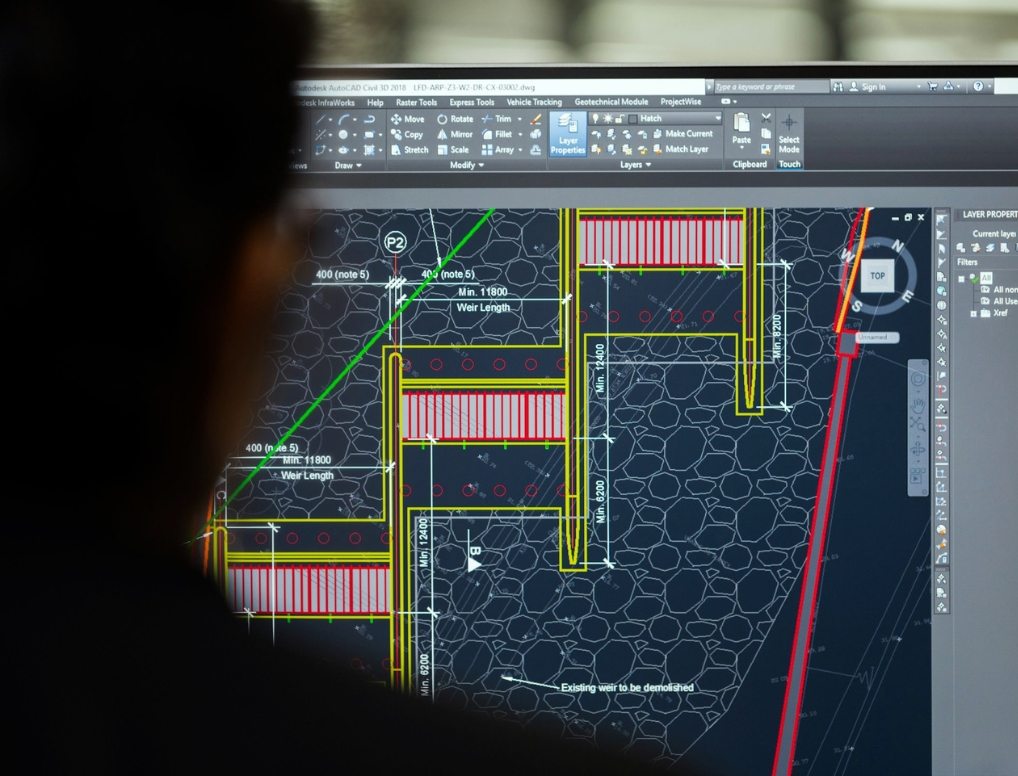
Disconnected applications and manual workarounds slow down execution and limit visibility. We provide enterprise application integration services that connect legacy systems, cloud platforms, and business applications into a unified ecosystem. The result is real-time data flow, automated workflows, and a stronger foundation for AI-driven operations.

THE APPROACH

How we build for business value

We approach application integration as a business transformation initiative—not just a technical project.


Rather than creating temporary connections between disconnected tools, we build scalable integration frameworks that enable secure, real-time data exchange across your systems. By connecting ERP, CRM, finance, operations, and cloud applications, we help organizations automate workflows, reduce manual effort, and unlock more value from existing technology investments.


THE VALUE

Why a unified integration strategy matters

01

Eliminate manual data entry and duplication

Replace spreadsheets, file transfers, and repetitive data entry with automated data synchronization that keeps information accurate, consistent, and up to date across your business systems.
02

Automate business processes across departments

Connect workflows across teams and applications so information moves automatically between systems, reducing delays, improving productivity, and eliminating unnecessary manual intervention.
03

Strengthen operational compliance and security

Protect business data with secure integrations, centralized governance, and controlled access policies that help maintain compliance while reducing operational and security risks.
04

Build an enterprise foundation ready for AI agents

Establish clean, structured, and easily discoverable system endpoints that allow AI agents to query records safely and handle workflows across your entire infrastructure.

THE CAPABILITIES

One integration setup to connect your entire application stack

Unified API hub engineering

Designing standardized, single-build data models to aggregate and manage dozens of distinct software platforms across HRIS, CRM, and accounting categories simultaneously.

Legacy-to-cloud modernization systems

Building secure software middleware layers that safely bridge old, on-premise transactional servers with flexible cloud environments without risking data loss.

B2B vendor & partner integrations

Architecting secure, isolated external API gateways that let outside distributors, suppliers, and client procurement networks securely exchange logistical data.

Real-time event & data streaming pipelines

Constructing low-latency pub/sub messaging channels that broadcast operational status changes across multi-tier software apps the second they occur.

Why Clavis Tech

We build connected digital ecosystems that scale with your business

Successful integration is about more than connecting systems—it is about creating reliable data flows that improve efficiency, visibility, and decision-making. Clavis Technologies combines deep integration expertise with modern architecture and automation capabilities to help organizations eliminate silos, streamline operations, and prepare for future AI initiatives.

Whether you’re modernizing legacy systems, integrating cloud applications, or building an AI-ready technology foundation, we help ensure your systems work together seamlessly without creating technical debt.

Fragmented software tools turn simple administrative updates into high-risk, manual operational bottlenecks.

The team has developed high-quality products, but their project management goes above and beyond.

— Brian Scruggs, COO, Joblyt LLC

LET’S TALK

Ready to connect your systems and automate workflows?

Connect with our experts to unify systems, automate workflows, and drive efficiency.
COMMON QUESTIONS

Frequently asked questions

Data migration is a one-time project focused on moving static records from an old database to a new system. Enterprise application integration services, however, establish continuous, real-time data orchestration between distinct live platforms. Instead of simply copying records, integration ensures that when an action occurs in your CRM, the change automatically triggers corresponding updates in your ERP, billing software, and warehouse logs simultaneously.
We bridge legacy infrastructure and modern cloud environments by developing secure, lightweight API middleware layers and dedicated data adapters. These systems convert old, text-based data outputs into modern, encrypted JSON payloads. By deploying secure hybrid network connections, we allow your legacy databases to securely pass information back and forth with cloud platforms without exposing your internal corporate servers to security risks.
No. We prevent processing lag by building an asynchronous, event-driven integration layer using message brokers like RabbitMQ or Apache Kafka. Instead of forcing your primary applications to process data requests immediately all at once, the integration layer queues up transactions safely and processes them in the background. This ensures your primary software runs quickly and smoothly, even during peak operational spikes.
We secure your connections against breaking changes by building our API integration services inside an isolated, abstracted gateway layer. This means that if an external vendor alters their API structure, our engineers can update the translation mapping directly within our gateway without needing to alter your core business software code. We also build in automatic retry logic and alert systems to catch and fix unexpected third-party formatting errors instantly.
AI models and autonomous agents require clean, consistent, and machine-readable data to take actions across your business. Our custom software integration services transform fragmented data into structured, real-time semantic API endpoints. This setup allows intelligent shopping agents or internal AI operational tools to securely search inventories, pull files, and execute multi-system workflows without hitting broken fields or manual barriers.
A standard integration deployment lifecycle generally takes between 8 to 12 weeks from initial mapping to production release. Because we utilize an extensive internal repository of pre-built data connectors and authentication adapters, we can typically establish secure, basic communications and test core data pipelines between your primary ERP and CRM software within the first 4 weeks of development.